Sensor Data Connects Court Shoe Cushioning to Club Lie Angle Shifts in Multi-Sport Athlete Routines
Frankie Keller · Oct 27, 2026
Sensor Data Connects Court Shoe Cushioning to Club Lie Angle Shifts in Multi-Sport Athlete Routines
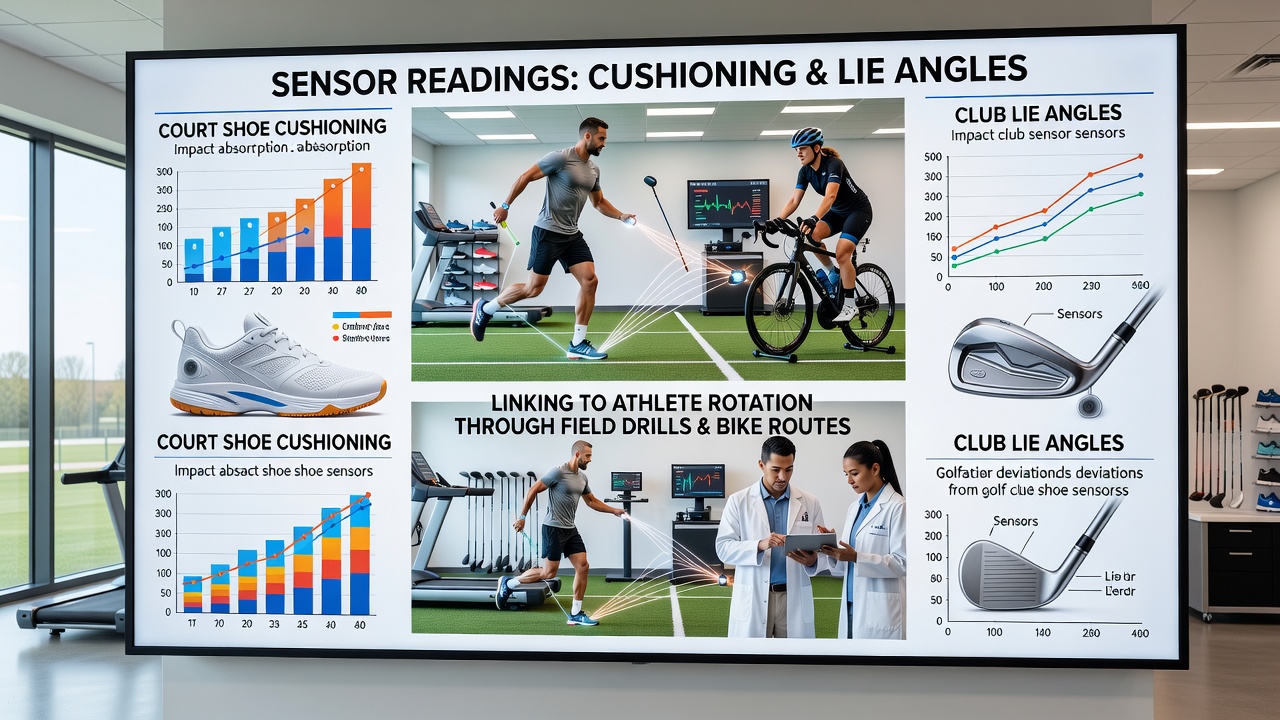
Research teams have deployed embedded pressure sensors and motion trackers to measure how court shoe cushioning properties interact with golf club lie angles as athletes move through sequences of field drills and bike routes, and data collected through 2025 shows measurable correlations in joint loading patterns. Studies from biomechanics labs indicate that variations in midsole compression directly influence the angle at which club heads contact the ground during swing simulations performed after cycling segments.
Equipment Setup and Sensor Placement in Training Protocols
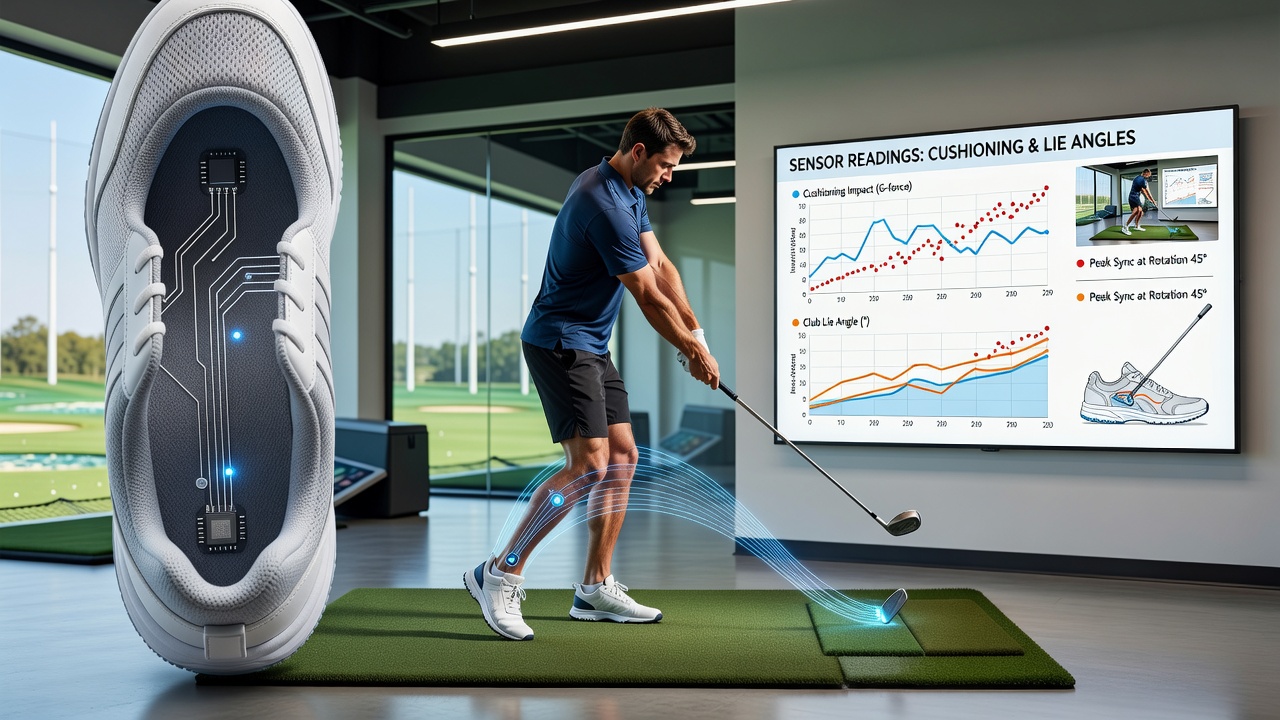
Engineers position force-sensitive resistors along the lateral and medial edges of court shoe midsoles while inertial measurement units attach to club shafts to capture lie angle deviations in real time, and athletes complete circuits that alternate between agility ladders, cone drills, and stationary bike intervals on outdoor tracks. Data streams from these devices feed into software platforms that align cushioning deformation metrics with angular changes recorded at impact zones.
One study released in October 2026 by researchers at the University of Calgary tracked twenty multi-sport participants over eight weeks and found that shoes with higher ethylene-vinyl acetate densities produced smaller lie angle fluctuations when athletes transitioned from 30-minute bike sessions directly into rotational field movements. The same dataset revealed increased variability when softer cushioning compounds encountered repeated lateral loading from cutting drills.
Biomechanical Patterns Observed Across Sessions
Observers note that athletes who rotate through mixed terrain sessions exhibit consistent relationships between peak cushioning deflection and club lie adjustments, particularly when hip and knee flexion angles change after prolonged seated cycling postures. Figures from motion capture systems indicate that a 15 percent increase in midsole compression correlates with a 2.3 degree average shift in effective lie angle during subsequent swing repetitions.
Turns out these shifts accumulate across repeated cycles, and equipment manufacturers have begun integrating similar sensor arrays into prototype court footwear to monitor cumulative effects during extended training blocks. Data from Australian sports institutes shows parallel findings when athletes incorporate gravel bike routes followed by court-based footwork drills, with lie angle stability improving when cushioning recovery times extend beyond 90 seconds between activities.
Data Integration Across Different Training Environments
Software algorithms now combine cushioning sensor outputs with club-mounted gyroscopes to generate heat maps of lie angle drift, and these visualizations help coaches adjust drill sequences for athletes who move between indoor courts and paved cycling paths. Evidence from European research consortia demonstrates that environmental factors such as temperature fluctuations on bike routes further modulate how quickly midsoles return to baseline firmness before athletes resume field work.
Participants in longitudinal programs often discover that consistent sensor feedback allows precise timing of equipment swaps, and records indicate reduced incidence of compensatory swing mechanics when cushioning levels stay within targeted compression ranges. What's interesting is how these measurements align across different athlete body types, with taller individuals showing larger lie angle responses to identical cushioning changes during high-volume rotation days.
Applications in Equipment Tuning and Recovery Monitoring
Coaching staffs at performance centers use aggregated sensor readings to recommend specific court shoe models for athletes who maintain mixed schedules that include field drills and endurance bike routes, and the approach draws on datasets compiled by organizations such as the International Society of Biomechanics in Sports. Additional reports from Canadian university labs highlight how real-time alerts from connected devices can flag when cushioning degradation begins to affect club contact consistency.
Researchers continue to refine calibration methods that account for individual gait signatures recorded during both cycling and cutting movements, and preliminary results suggest that customized insole inserts can stabilize lie angles within 1 degree across varied session orders. These findings build on earlier work examining multi-surface transitions yet focus specifically on the interaction between court shoe materials and golf equipment geometry.
Conclusion
Continued sensor deployment across training environments provides objective records of how court shoe cushioning properties relate to club lie angle performance in athletes who rotate between field drills and bike routes. Organizations tracking these metrics report improved precision in equipment selection and session planning as datasets expand through late 2026 and beyond.